Sluices: Connecting History, Waterways, and Modern Fish Migration
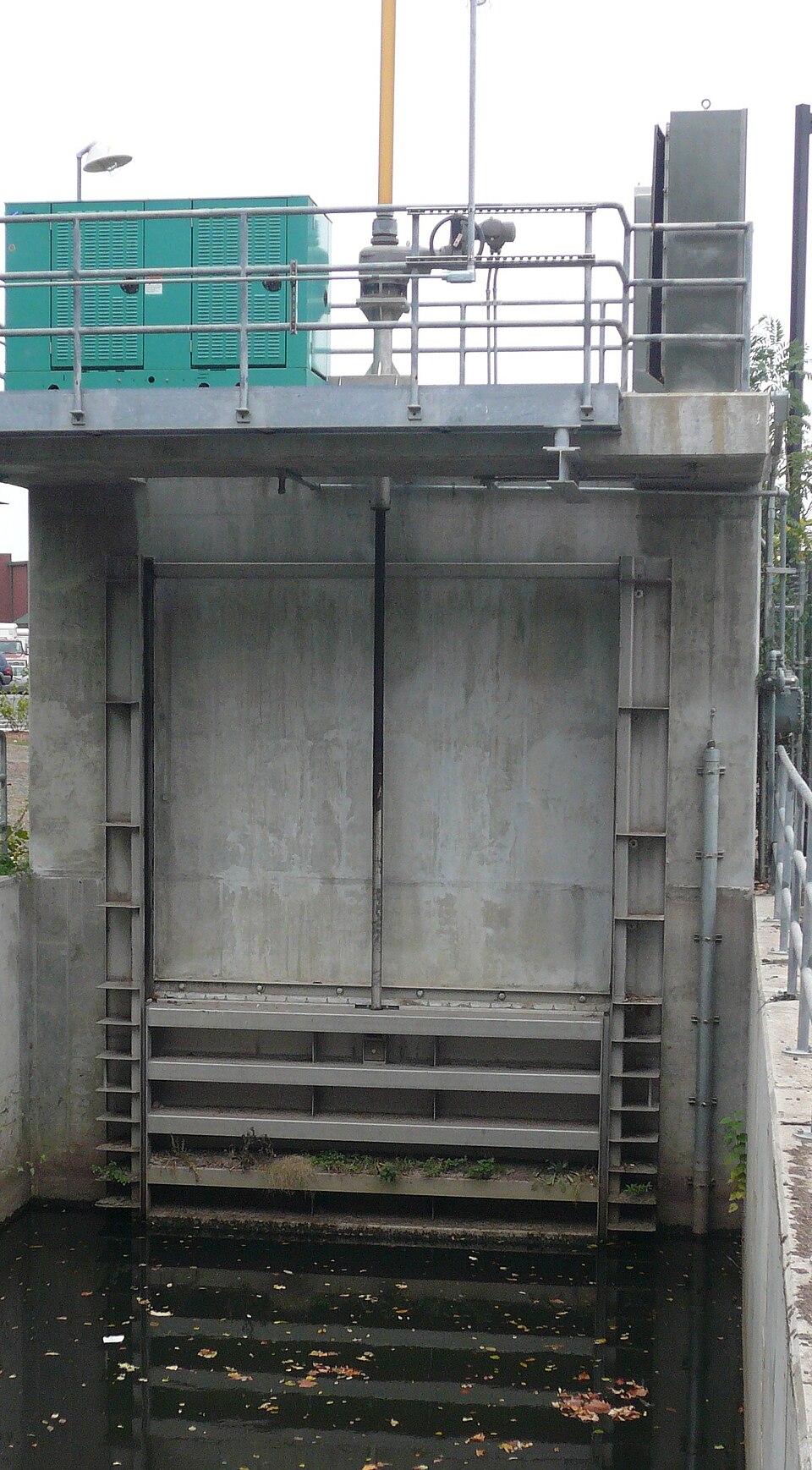
Sluices, those unassuming gatekeepers of our waterways, often stand as silent witnesses to centuries of human ingenuity and natural evolution. More than mere structures regulating water flow, they are pivotal points where history, economics, and ecology converge. From ancient irrigation systems to modern-day solutions for fish passage, understanding the multifaceted role of sluices offers a profound insight into our relationship with water and its inhabitants. Central to this understanding is the delicate balance between human needs and the survival of aquatic life, particularly how fish navigate these crucial barriers—a concept encapsulated by the phrase "vissen door sluis."
Sluices: A Journey Through Time and Tide
Historically, sluices have been indispensable tools for human civilization. Their fundamental purpose – to control water levels and flow – made them essential for developing agriculture, enabling trade, and even reclaiming land. Consider the intricate canal systems that once supported thriving plantations, such as Plantage Rust en Werk, where a sluice and its associated canal formed a vital artery. This particular connection to the port of Paramaribo was not just about water management; it was the lifeblood of agricultural export, allowing valuable produce to reach global markets. The sluice, in this context, wasn't just an engineering feat; it was an economic engine, regulating the critical water balance necessary for prosperous farming.
These structures represent more than just their functional utility; they are tangible links to our past, embodying the cultural heritage of the communities that built and relied upon them. The enduring presence of a sluice like the one at Plantage Rust en Werk evokes a deep sense of history, reminding us of the immense effort and planning involved in shaping landscapes for human benefit. They tell stories of adaptation, resilience, and the relentless pursuit of progress. For many, these sites are places of reflection, inspiring moments of connection with the past, and sometimes, even prompting a desire to engage with the natural world around them, perhaps by simply standing there and appreciating the calm flow of water, or even trying one's hand at
vissen door sluis – fishing in the very waters they control.
The Unseen Struggle: Fish Migration and Sluice Barriers
While sluices have served humanity remarkably well, their presence in waterways also presents a significant challenge to aquatic ecosystems. For fish, a sluice can be an impenetrable wall, severing vital migration routes. Seasonal migration is a fundamental aspect of many fish species' life cycles, crucial for spawning, finding food, avoiding predators, and adapting to changing environmental conditions. When sluice gates are closed, fish are left stranded, unable to reach their breeding grounds or feeding territories further upstream or downstream.
This obstruction, a critical aspect of the challenge of
vissen door sluis for aquatic life, leads to several detrimental consequences. Populations can decline due to reduced reproductive success, increased predation pressure on trapped fish, and habitat fragmentation. These barriers not only impact individual species but can also disrupt the entire food web and overall biodiversity of a river system. The need to balance efficient water management with ecological integrity has driven innovation in how we design and operate sluices, pushing us towards more fish-friendly solutions. Understanding these challenges is the first step towards developing sustainable practices that allow both human enterprise and natural systems to thrive in harmony.
Modern Solutions: Empowering Fish to Traverse Sluices (vissen door sluis)
Recognizing the ecological impact of sluices, engineers and environmentalists have developed various strategies to facilitate fish passage. Traditional fish ladders, often a series of stepped pools, have been a long-standing solution, providing a navigable route around obstacles like dams and sluices. While effective in many scenarios, they can be costly to construct, require significant space, and may not be suitable for all species or water conditions.
Enter groundbreaking innovations like the *Fish Doorbell* (
Fish Doorbell: Crowdsourced Innovation for Sluice Fish Passage), a brilliant example of how technology and community engagement can revolutionize fish migration efforts. Developed in Utrecht, Netherlands, the *visdeurbel* or Fish Doorbell uses a livestreamed underwater camera positioned at the Weerdsluis on the Oudegracht. When fish gather at the closed sluice gate, users from anywhere in the world can press a virtual "doorbell" button. This action notifies the lock operator, who can then temporarily open the sluice to allow the fish to pass.
This crowdsourced approach is incredibly effective and engaging. In its first two weeks of deployment in March 2021, it was used an astonishing 23,000 times, demonstrating immense public interest and participation. The Fish Doorbell not only aids seasonal fish migration – increasing the survival rates of local fish vulnerable to predation when trapped – but also benefits other aquatic creatures like crabs, lobsters, and frogs, which have also been spotted on the livestream. It's a simple yet powerful solution that leverages citizen science to actively manage and improve fish passage, making "vissen door sluis" a reality for thousands of aquatic animals each year. This innovative model provides practical, actionable advice for communities worldwide looking to implement similar, cost-effective conservation strategies.
The Cultural Connection: Fishing, Heritage, and Sluices
Beyond their functional and ecological roles, sluices hold a unique place in human culture, often serving as picturesque spots for leisure and reflection. The personal experience of feeling "moved and motivated to fish from the lock" at Plantage Rust en Werk highlights this profound connection. There's a certain tranquility and timelessness to fishing from such a historical vantage point, linking an individual's present moment to generations past who relied on these same waterways.
This activity, sometimes referred to as
Fishing From a Sluice: Heritage, Water Management, and Life Lessons, is more than just a pastime; it embodies a deeper life lesson. The ancient proverb, "give someone a fish and he has food for a day, learn him to fish and he has food for every day," resonates powerfully here. It speaks to the principles of self-sufficiency, sustainable living, and the transfer of knowledge – themes that are intrinsically linked to the historical and ongoing management of our waterways. For those who enjoy recreational fishing, sluices can offer excellent spots, often rich in diverse aquatic life. However, it is crucial to practice responsible fishing, respecting local regulations, catch limits, and the delicate balance of the ecosystem, especially in areas where fish migration efforts are underway. Engaging with these sites responsibly ensures that their cultural and natural heritage can be preserved for future generations, allowing both humans and fish to thrive in connection with these enduring structures.
Conclusion
Sluices stand as remarkable testaments to human ambition, engineering prowess, and our intricate relationship with water. From their pivotal role in shaping ancient economies and preserving cultural heritage to their modern-day function in managing floodwaters and facilitating fish migration, these structures are far more than just barriers. The journey of "vissen door sluis," whether referring to the act of fishing or the vital passage of aquatic life, underscores a continuous evolution in our understanding and respect for natural ecosystems. Innovations like the Fish Doorbell exemplify how we can harness technology and community spirit to address ecological challenges, ensuring that these historical conduits become pathways for progress—for both humanity and the natural world. As we look to the future, the ongoing dialogue between development and conservation will undoubtedly continue to shape how we interact with, preserve, and enhance these fascinating gateways of our waterways.